
Can You Regain Strength and Mobility After 50, 60, or 70? Absolutely
Nov 05, 2026Have you ever stood up from a chair, climbed a flight of stairs, or bent down to pick something up and thought, When did that get so difficult?
Maybe you're noticing that your balance isn't what it used to be. Perhaps your muscles feel weaker, your joints feel stiffer, or you're getting tired more easily.
And maybe you've started wondering whether this is simply part of getting older.
Well, my friends, let me tell you something: getting older doesn't mean you have to stop getting stronger!
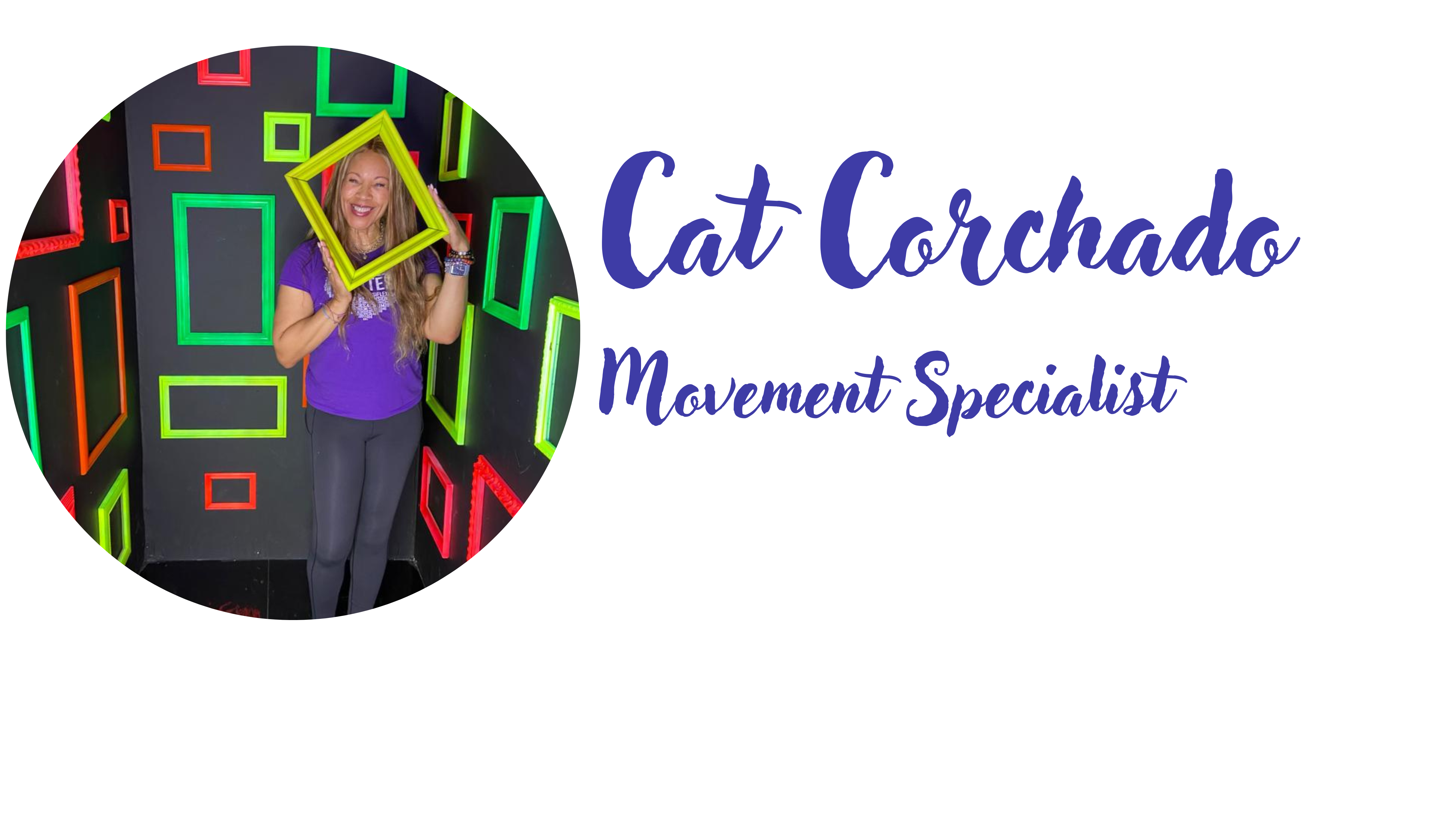
I'm Cat Corchado, and after more than four decades in the fitness industry, I want you to know that it's possible to make meaningful improvements in strength, mobility, balance, and physical function after 50, 60, and even 70.
No, we're not trying to turn back the clock. We're working toward something much more important: helping you feel more capable in the body you have today.
Because I believe everyone has the right to feel good in their body—and that right doesn't come with an expiration date.
Is It Too Late to Get Fit After 50, 60, or 70?
Absolutely not!
Aging brings physical changes. We may lose muscle mass, experience changes in bone density, or notice that our balance, flexibility, and recovery aren't what they once were.
But those changes don't mean we have to give up on improving our physical fitness.
Research and clinical practice support the value of appropriately prescribed exercise for older adults. Strength training, aerobic activity, balance exercises, and mobility work can help support physical function and independence.
The key is understanding that getting fit later in life doesn't have to look like fitness at 25.
You may need to modify exercises, allow additional recovery time, or work with a qualified professional. You might begin with body-weight movements instead of heavy weights, short walks instead of long workouts, or supported balance exercises instead of challenging standing routines.
That's not a weakness. That's smart training.
The goal isn't to compete with your younger self. It's to build the strongest, most capable version of yourself today.
1. You Can Build Strength at Almost Any Age
One of the most important things we can do as we age is maintain and improve muscle strength.
Strength supports everyday activities such as carrying groceries, getting out of a chair, lifting household items, climbing stairs, and maintaining balance.
And you don't need to start with heavy weights to begin working on it.
Depending on your ability, a strength program might include:
-
Standing up and sitting down from a sturdy chair.
-
Wall push-ups.
-
Exercises using light resistance bands.
-
Supported standing exercises.
-
Appropriately selected body-weight movements.
As your strength improves, your program can gradually become more challenging.
This is called progressive training: giving your body an appropriate challenge and increasing that challenge as your ability improves.
If you have osteoporosis, a recent injury, a chronic condition, or are recovering from surgery or illness, your exercise selection may need special consideration. Seek guidance from your healthcare provider or a qualified professional who understands your circumstances.
You don't have to do everything at once. You just have to begin at an appropriate level and build from there.
2. Improve Mobility and Make Everyday Movement Easier
Have your shoulders become stiff? Do your hips feel tight when you stand up? Is bending down or turning your head more difficult than it used to be?
You're not alone.
Mobility involves more than flexibility. It includes the ability to move your joints through the ranges of motion you need for everyday activities, with the strength and control to use those ranges effectively.
Depending on what's causing your limitations, gentle mobility exercises, controlled movement, stretching, and appropriately modified Pilates exercises may help improve how comfortably you move.
As a Pilates instructor and Yamuna Body Rolling® practitioner, I appreciate approaches that encourage body awareness and controlled movement.
The goal isn't to force your body into uncomfortable positions. It's to work within your abilities while gradually improving the movement you need for daily life.
Remember, though, that not all stiffness has the same cause. New or persistent pain, unexplained weakness, significant swelling, or sudden changes in mobility should be evaluated by an appropriate healthcare professional.
You deserve to understand what's happening in your body and what you can safely do about it.
3. Don't Forget About Balance
Balance becomes increasingly important as we age because falls can have serious consequences.
But balance isn't something we should think about only after a fall or a frightening stumble.
A well-rounded fitness routine can include balance training appropriate to your ability. That might involve supported weight shifts, controlled stepping, or other exercises designed to improve stability.
You may need to begin with a sturdy chair or countertop nearby. If you have a history of falls or feel unsteady, seek professional guidance before attempting challenging balance exercises.
And please don't assume that modifying an exercise means you're doing less than someone else.
You're doing what you need to do to train safely and effectively.
The objective isn't to perform the most impressive exercise. It's to become more confident and capable in your everyday movements.
4. You Don't Need an Hour a Day to Get Started
Here's something I want you to remember: you don't have to spend an hour exercising to begin building a movement habit.
If you've been inactive for a while, the idea of a long workout can feel overwhelming.
Instead, consider starting with manageable amounts of movement and gradually increasing your activity.
You might take a short walk, practice a few appropriate strength exercises, or spend several minutes working on mobility.
You can also break activity into shorter sessions throughout the day.
My 11-Minute Fitness Challenge is based on this idea: short sessions can offer an approachable starting point for people who want to move but aren't sure how to begin.
Eleven minutes isn't a magic number, and it won't meet every person's fitness needs. But it can be enough to help you take the first step toward a more consistent routine.
And that's important because motivation is fleeting, perfection is overrated, and consistency always wins.
You don't need a perfect workout plan. You need a sustainable approach that fits your life and allows you to progress at an appropriate pace.
5. Returning to Fitness After an Injury or Illness
What if you've been through surgery, cancer treatment, a serious illness, an injury, or a period of burnout?
What if you used to be active but now feel as though you're starting all over again?
First, give yourself some grace.
Your body may need time, support, and a different approach than it did before. Recovery can involve progress and setbacks, and your current abilities may be different from what you remember.
That doesn't mean you have failed.
It means your plan needs to reflect where you are now.
Depending on your situation, you may benefit from working with a physical therapist, an appropriately qualified exercise professional, or a healthcare team familiar with your needs.
Start with the movements that are safe and manageable for you. Build gradually, follow any medical restrictions, and avoid comparing your progress with someone else's.
Your goal isn't to punish your body for what it can no longer do. Your goal is to help it do what it can—and build from there.
6. Investing in Your Health Is Investing in Your Future
I spent 20 years serving in the United States Air Force, and I've spent more than four decades in the fitness industry.
Those experiences have reinforced my belief in discipline, consistency, and taking responsibility for what we can influence.
And one thing I feel strongly about is this: our health deserves a place on our priority list.
I know that professional fitness services cost money, and I recognize that everyone's circumstances are different. But investing in your health doesn't always mean purchasing a program or joining a gym.
It might mean taking a walk, following an appropriate home exercise routine, asking your healthcare provider about physical activity, or learning how to move safely with your current limitations.
When professional support is available to you, it can help you develop a plan that fits your goals and abilities.
Why does this matter?
Because strength, mobility, and balance aren't just about exercise. They can help support your ability to participate in life.
They matter when you want to travel, enjoy your hobbies, spend time with family, carry your own groceries, or maintain your independence.
And here's one of my favorite sayings:
“If your body gives out, where are you going?”
Think about it.
You can have all the plans in the world, but your physical well-being affects how comfortably and safely you can enjoy them.
We can't guarantee perfect health or prevent every illness. But we can make choices that support our well-being and give ourselves opportunities to improve our physical function.
Don't wait until everything else on your to-do list is finished to start caring for yourself.
Your health matters now.
How to Get Started: Three Simple Steps
If you're ready to improve your strength, mobility, or fitness, here's where I suggest you begin.
Step 1: Identify your goal.
Choose one thing you'd like to do more comfortably. Perhaps you want to walk farther, get up from a chair more easily, improve your balance, or return to an activity you enjoy.
Be specific.
Step 2: Find the right starting point.
Consider your current fitness level, any medical restrictions, and the challenges you're experiencing. If you're unsure which exercises are appropriate, consult your healthcare provider or a qualified fitness professional.
You don't need to begin where you think you should be. You need to begin where you are.
Step 3: Make consistency your goal.
Choose a manageable amount of movement and build gradually. Schedule time for it, pay attention to how your body responds, and recognize the small improvements along the way.
Progress isn't always dramatic. Sometimes it's noticing that a daily task feels a little easier or that you're more confident moving around.
Those victories count!
And when life interrupts your routine, adjust and start again.
You haven't lost the opportunity to make progress simply because you missed a few days.
Final Thoughts: Your Best Days of Movement Don't Have an Expiration Date
My friends, I want you to stop telling yourself that you're too old to get stronger.
You are not too old to work on your balance. You are not too old to improve your mobility. And you are not too old to develop a healthier relationship with movement.
Will your body change as you age? Yes.
Will you sometimes need to modify your workouts? Absolutely.
Will every limitation disappear if you exercise? No.
But there is a world of difference between acknowledging your current limitations and assuming that nothing can improve.
So, start where you are. Work with your body. Ask for help when you need it. Celebrate the small wins. And keep moving.
You don't have to be 25 again to enjoy the benefits of a stronger, more capable body.
You simply have to give yourself permission to begin.
Because motivation is fleeting, perfection is overrated, and consistency always wins.
Keep It Moving, my friends—with love and a little Cattitude! 💜
Medical disclaimer: This article is for educational purposes only and is not a substitute for individualized medical advice, diagnosis, or treatment. Consult your healthcare provider before beginning a new exercise program, especially if you have a chronic health condition, are recovering from an injury or illness, or have concerns about your balance or mobility.
Stay connected with news and updates!
Join our mailing list to receive the latest news and updates from our team.
Don't worry, your information will not be shared.
We hate SPAM. We will never sell your information, for any reason.
