
When Is It Safe to Exercise After an Injury or Illness?
Oct 14, 2026You don't have to pick up where you left off. You just have to start where you are.
Let me ask you something. Have you ever been knocked off your fitness routine because of an injury, an illness, surgery, or a health setback that completely changed your plans?
One minute, you're moving along, doing your thing, feeling pretty good about your routine. Then life happens. Maybe you have a fall. Maybe you need surgery. Perhaps you've been dealing with an illness that leaves you exhausted, or you've gone through months of treatment and recovery. Suddenly, the workouts you used to do without thinking about them feel like a distant memory.
And now you're wondering, When can I start exercising again? Am I ready? What if I hurt myself? And why does everything feel so much harder than it used to?
First, take a breath.
I want you to know something: You haven't lost your right to move your body just because you've had to take a break.
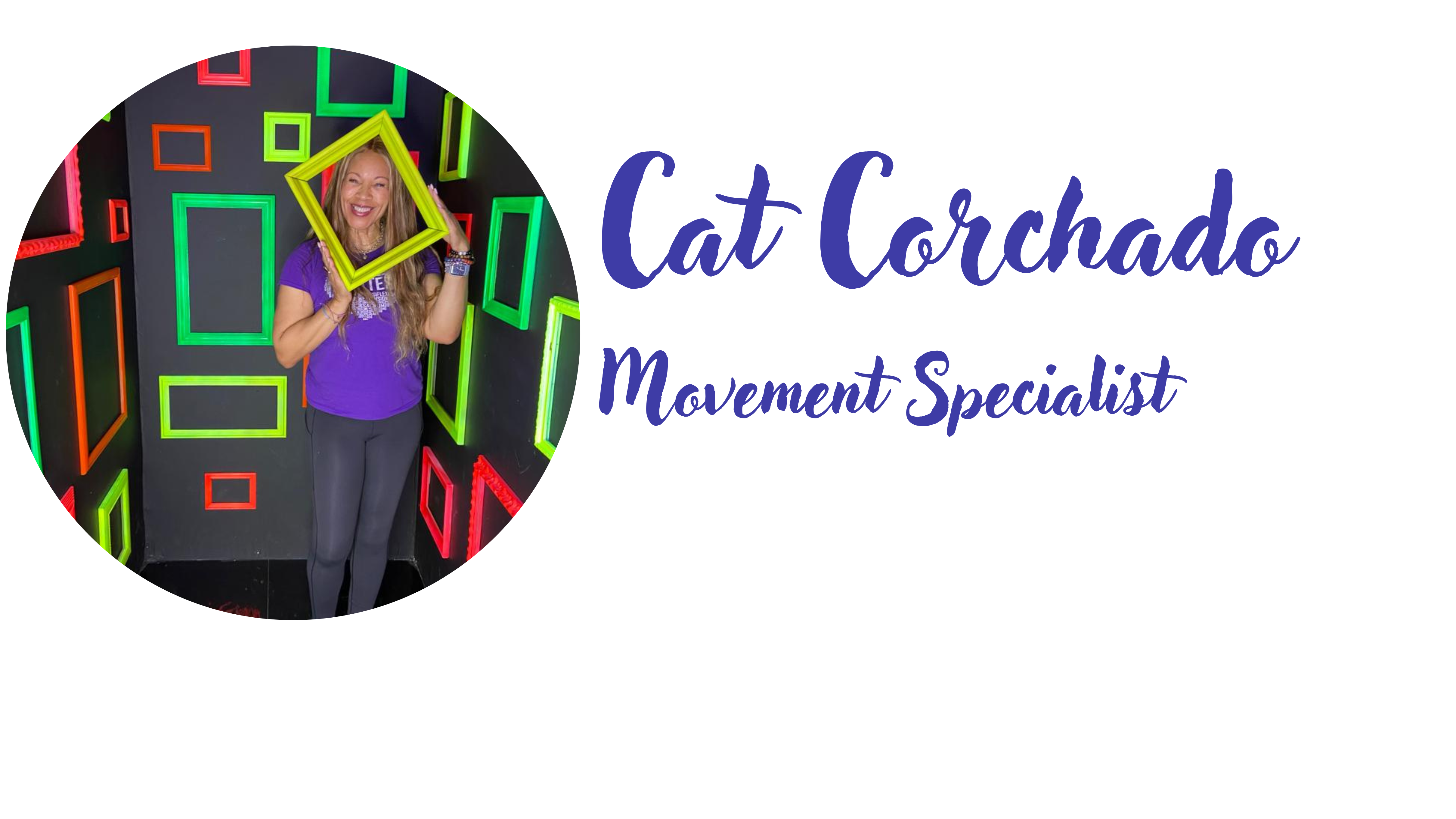
I'm Cat Corchado, movement specialist, and after more than four decades in the fitness industry, I've learned that getting started again isn't always about physical strength. Sometimes, it's about patience. Sometimes, it's about rebuilding confidence. And sometimes, it's about accepting that your body needs something different from what it needed before.
And that's okay!
I firmly believe everyone has the right to feel good in their body. But feeling good doesn't mean pushing through pain, ignoring your limitations, or trying to prove you can do what you did six months ago.
It means learning how to work with your body instead of against it.
Let's talk about how to get started again safely, without turning recovery into another thing you feel pressured to get right.
First Things First: When Is It Safe to Exercise Again?
I wish I could give you one simple answer, but the truth is that it depends on what you've been through.
Recovering from a mild illness is very different from recovering from major surgery, a fracture, a serious infection, or a condition that affects your heart, lungs, or nervous system. Your symptoms, healing process, medications, and overall health all matter.
That's why I want you to check with your healthcare professional when appropriate, especially after surgery, a significant injury, or a serious illness. Your doctor or physical therapist can help you understand which activities are safe, what restrictions you need to follow, and when you can progress.
And please, don't confuse feeling better with being completely healed.
I know. You're tired of sitting around. You're ready to get back to your routine. You want to feel like yourself again.
I get it.
But feeling better doesn't automatically mean you're ready to lift heavy weights, jump into a vigorous Pilates class, or go for the long walk you used to enjoy.
You may be cleared to walk but not lift heavy objects. You may be able to do gentle mobility exercises but need to avoid certain positions. You may be ready for five minutes of movement but not thirty.
Being cleared to start doesn't mean you're cleared to do everything.
Think of it as a green light to begin the appropriate stage of your recovery, not permission to floor the accelerator.
We're rebuilding, not racing!
Stop Trying to Pick Up Where You Left Off
This is where I want to have a little heart-to-heart with you.
Before your injury or illness, maybe you exercised five days a week. Maybe you lifted weights, took Pilates classes, walked several miles, or had a routine that made you feel strong and capable.
Then you had to stop.
Now you're feeling better, and you want to jump right back in.
I understand that desire. You miss your routine. You miss your energy. You miss the feeling of being able to do things without having to think about every movement.
But here's the thing: Your previous fitness level isn't necessarily your current fitness level.
A period of inactivity can affect your strength, endurance, balance, mobility, and energy. Depending on what you've experienced, your ability to tolerate exercise may have changed, too.
That doesn't mean you've lost everything you've worked for. It means your body may need time to rebuild.
And yet, how many of us tell ourselves, "I should be able to do this"?
Oh, that little word should! It can get us into a whole lot of trouble.
We think we should be able to walk as far as we used to. We should be able to complete the entire workout. We should be back to normal by now.
But who decided that timeline?
Your recovery isn't a competition, and you don't get a gold star for doing too much too soon.
Instead of asking yourself, "Why can't I do what I used to do?" try asking, "What can I safely do today that supports my recovery?"
See the difference?
One question leaves you frustrated and judging yourself. The other gives you an opportunity to move forward.
And that's where progress begins.
Start Small. No, Smaller Than That!
You know I'm a big believer in starting where you are. I talk about it all the time because it matters.
But when you're returning to exercise after an injury or illness, I want you to take that idea seriously.
Start smaller than your impatient brain thinks you should.
Once you've received appropriate medical guidance, your starting point might be a few minutes of easy walking, gentle range-of-motion exercises, simple seated movements, or exercises recommended by your physical therapist.
Depending on your circumstances, it might be two minutes. It might be five. It might mean getting comfortable with a few everyday movements before you add anything more.
And that's not failure!
If you've been cleared to walk and five minutes is manageable, start with five minutes. You don't need to force yourself to walk for twenty minutes just because that was your old routine.
If your healthcare professional has prescribed a rehabilitation plan, follow that plan rather than grabbing a random workout from social media.
And please remember that the goal isn't to impress anybody.
There is no trophy for being the sweatiest person in the room. We are not auditioning for the circus!
Your first few sessions back are opportunities to learn. How does the movement feel? Is your breathing comfortable for that activity? How is your energy? Are you experiencing pain or other symptoms?
Pay attention to how you feel afterward, too, including later that day and the following day.
Because recovery isn't just about what happens while you're exercising. It's also about how your body responds afterward.
You don't have to conquer the world on Monday morning. You just have to take the next appropriate step.
Your Body Is Talking. Are You Listening?
One of the most important things you can do when returning to movement is learn to recognize your body's signals.
And no, I'm not talking about using every little ache as a reason to give up. I'm talking about learning the difference between an expected response to activity and a sign that something needs attention.
Depending on your condition, some fatigue or mild muscle soreness may occur as you gradually resume movement. But what's appropriate for one person may not be appropriate for another.
Don't assume that pain is something you must push through.
If you experience increasing pain, new swelling, worsening symptoms, or fatigue that seems disproportionate to the activity, stop and contact your healthcare professional for guidance.
Follow any specific warning signs your care team has given you.
And there are symptoms you should never try to exercise through. Chest pain or pressure, fainting, severe or unusual shortness of breath, and sudden neurological symptoms require urgent medical attention. If symptoms are severe or potentially life-threatening, call 911.
Please don't try to walk it off.
Now, here's something else that matters: how you feel the next day.
Maybe you complete a short session and feel fine while you're doing it. Later, you're exhausted. Your pain increases. Or you wake up the following morning feeling significantly worse.
That information matters.
You may have done more than your body can currently tolerate, or something else may be going on. You might need to reduce the duration or intensity of your activity, or seek professional guidance before continuing.
This is especially important for people who experience delayed symptom worsening, including some people with long COVID or post-exertional malaise. In those situations, a standard plan of gradually increasing exercise may not be appropriate without individualized clinical guidance.
Your recovery is not a spreadsheet.
You don't have to increase your repetitions, distance, speed, or resistance every single day to prove you're making progress.
Sometimes progress means doing a little more. Sometimes it means doing the same amount comfortably. And sometimes progress means recognizing that today is a day to rest.
All three can be part of a thoughtful recovery plan.
Rest Is Not Laziness. Let Me Say That Again!
Can we talk about rest for a minute?
Some of us have a complicated relationship with it. We feel guilty when we're not being productive. We think taking a day off means we're falling behind. And if we've exercised regularly for years, being forced to stop can feel like losing part of our identity.
I understand how frustrating that can be.
But I want you to hear me: Rest is not the opposite of progress. Rest can be part of the progress.
Your body needs time and resources to heal. Adequate sleep, nutrition, hydration, appropriate medical care, and a level of activity that matches your current capacity all matter.
You might manage a short session one day and need more recovery time afterward. That doesn't mean you've failed.
It means you're learning how to respond to your body's needs.
Now, I'm not suggesting that everyone recovering from an injury or illness should stay in bed until they feel one hundred percent. Depending on your condition, appropriate movement may help you return to everyday activities and rebuild your capacity.
But the type, timing, and amount of movement need to fit your situation.
You may benefit from working with a physical therapist, following your physician's recommendations, or consulting a qualified exercise professional who understands your restrictions.
You don't have to figure everything out alone.
And you certainly don't need to prove how tough you are by ignoring your body's needs. Believe me, there are plenty of other ways to demonstrate your toughness!
The Mental Side of Starting Again
Here's the part I don't want us to overlook: the mental and emotional side of recovery.
Sometimes your body is ready to begin moving again, but your brain is saying, "Oh, absolutely not!"
Maybe you're afraid of reinjuring yourself. Maybe your illness was frightening, and you're worried about pushing too hard. Perhaps you're frustrated because you can't do what you used to do, or you're comparing yourself to someone who seems to have bounced back without missing a beat.
Let me stop you right there.
Your recovery is not a competition, and comparing yourself to someone else is not going to help you heal.
You don't know what another person has experienced, what their body can tolerate, or what kind of support they have.
And you don't need to measure your progress against the person you were before your setback, either.
I want you to shift your attention toward what you're rebuilding.
Are you becoming more confident with everyday movements? Are you following your rehabilitation plan? Are you learning to recognize your limits? Are you taking steps toward the activities that matter to you?
Those things count!
If you're nervous about returning to exercise, you don't have to jump straight into a group class or a full workout. You can begin with approved movements at home, work with a physical therapist, or ask a qualified exercise professional about appropriate modifications.
You can build confidence gradually.
And you can give yourself permission to be a beginner again, even if you've been exercising for decades.
There's no shame in that.
In fact, I think there's something pretty powerful about being willing to start again.
It takes courage to acknowledge that things have changed. It takes patience to rebuild. And it takes self-awareness to recognize that your body may need something different from what it needed before.
That's not weakness.
That's wisdom.
Three Questions to Ask Before You Start
Before you jump back into your routine, I want you to ask yourself three important questions.
1. Have I received the guidance I need?
Do you know which activities are safe for you right now? Are there restrictions you need to follow? Do you need medical clearance or physical therapy before beginning?
If you're unsure, ask. Don't guess.
2. Am I starting at a level that matches my current ability?
Not the level you were at before your injury. Not the level you think you should be at. The level that's appropriate for you today.
Can you shorten the session? Modify the movement? Reduce the intensity? Choose an activity that works within your restrictions?
Remember, you're not trying to impress anybody. You're supporting your recovery.
3. Am I willing to adjust my plan based on how my body responds?
This one is important.
If your symptoms worsen, you may need to stop and seek guidance. If you feel good, that's encouraging, but it doesn't mean you should suddenly double your workout.
Give yourself time to establish a routine you can tolerate safely and consistently.
And don't be afraid to change the plan when your circumstances change.
A good plan should support your health, not become another source of stress.
You Can Start Again. And You Don't Have to Do It Perfectly.
If there's one thing I want you to take away from this conversation, it's this: an injury, an illness, surgery, or another health setback may interrupt your fitness routine, but it doesn't erase your worth or your potential to move forward.
Your body has been through something. Give it the respect, patience, and care it deserves.
You don't need to rush back to the person you were before. You can build from where you are today.
If that means five minutes of movement, wonderful.
If it means following a rehabilitation plan and celebrating the small victories, wonderful.
If it means resting and speaking with your healthcare professional because you're not ready to exercise yet, that is also a responsible step.
You are not behind.
You are not broken because you need modifications.
And you are certainly not less deserving of a healthy, active life because your journey looks different from someone else's.
At Fit for Life Alliance, I believe in meeting people where they are and helping them move forward one step at a time. That's how we build a sustainable relationship with movement. Not through perfection, punishment, or unrealistic expectations, but through consistency, patience, and a willingness to keep showing up in ways that support our health.
Remember my philosophy: Motivation is fleeting, perfection is overrated, and consistency always wins.
And sometimes, consistency means knowing when to move and when to rest.
So, if you're recovering from an injury or illness and wondering when you'll feel like yourself again, please be patient with yourself. Give your body the time and support it needs, follow the guidance of your healthcare team, and focus on the next appropriate step.
You don't have to do it all today.
You just have to start where you are, when it's safe to do so.
Because I believe everyone has the right to feel good in their body.
And that includes you.
Keep It Moving—at your own pace, in your own way, and without a perfection policy. 💜
Let's Keep the Conversation Going!
Have you ever had to start exercising again after an injury, illness, surgery, or another unexpected health setback? What was the hardest part for you—the physical recovery, the frustration of not being able to do what you used to do, or the fear of starting again?
I'd love to hear your experience. Share your thoughts, because your story might be exactly what someone else needs to hear today.
You can connect with me and learn more about my movement and wellness programs at Small Space Pilates.
- And if you know someone who's trying to find their way back to movement after a health setback, please share this blog with them.
A little encouragement can go a long way.
Disclaimer: This article is for educational purposes only and is not a substitute for personalized medical advice. Consult your healthcare professional before returning to exercise after an injury, illness, or surgery, and follow the recommendations and restrictions specific to your recovery.
Stay connected with news and updates!
Join our mailing list to receive the latest news and updates from our team.
Don't worry, your information will not be shared.
We hate SPAM. We will never sell your information, for any reason.
